
How to Know If a Fact-Checker Is Actually Worth Trusting
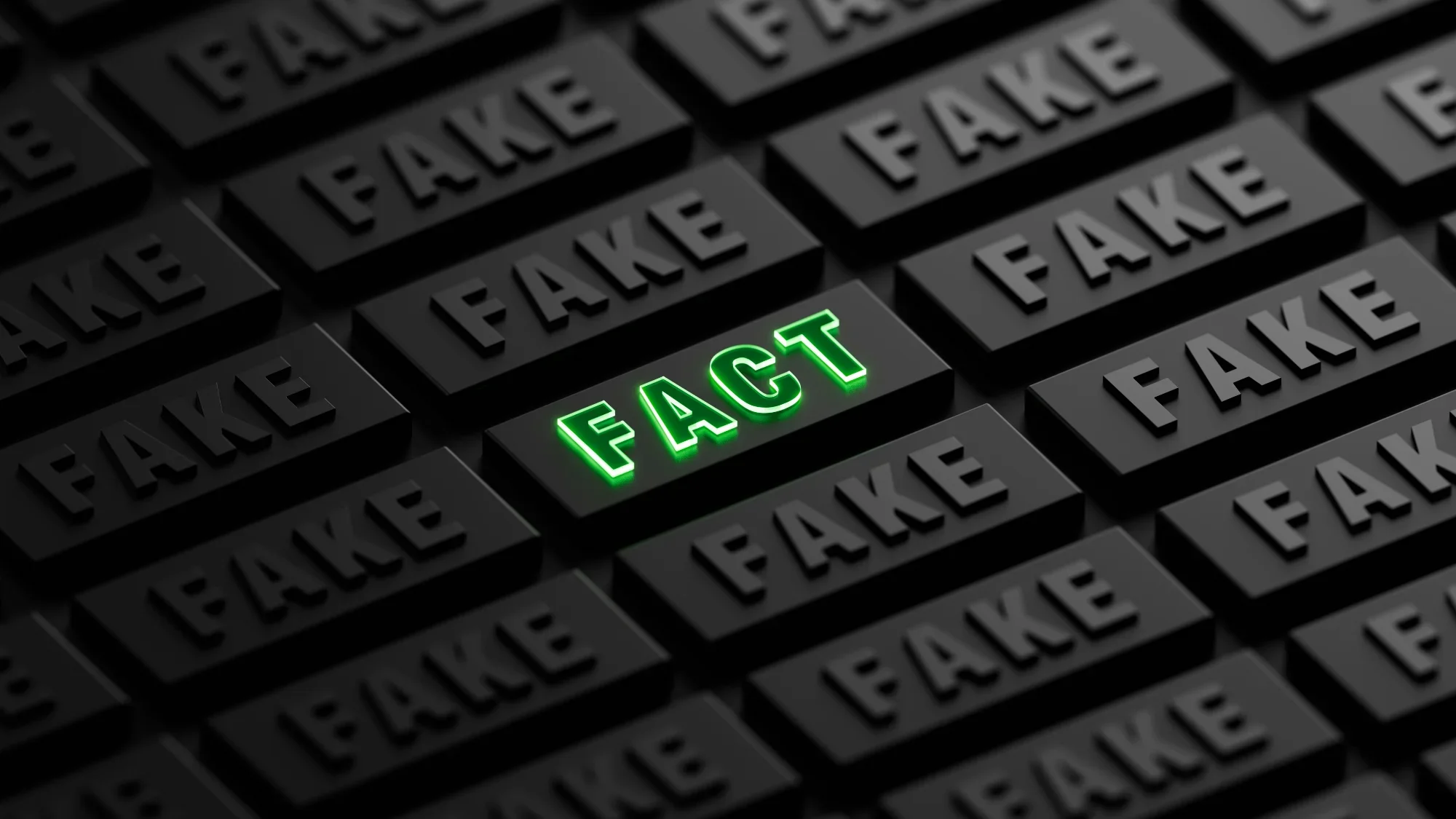
Not all fact-checkers are created equal. In a media landscape full of noise, knowing which sources actually do the work — and which ones just have the word "facts" in their name — matters.
The gold standard for professional fact-checking is certification by the International Fact-Checking Network (IFCN) at the Poynter Institute. Certified organizations are held to a shared code of principles that includes nonpartisanship, transparency about their sources, and clear explanation of their methodology. In other words — they have to show their work.
The Most Trusted Fact-Checking Sites
These organizations consistently rank among the most reliable and are regularly cited in research on media accuracy:
PolitiFact — Operated by the Poynter Institute, known for its "Truth-O-Meter" rating system. Focuses on verifying claims made by public officials and political candidates.
FactCheck.org — A project of the Annenberg Public Policy Center. Monitors the factual accuracy of statements made by major U.S. political figures in TV ads, debates, speeches, and interviews.
Snopes — One of the oldest fact-checking sites on the internet. Specializes in debunking urban legends, viral rumors, and social media misinformation.
The Washington Post Fact Checker — Known for its "Pinocchio" scale. Focuses on political rhetoric and has demonstrated strong agreement with other major fact-checkers in independent research.
Associated Press (AP) Fact Check — Applies rigorous journalistic standards to verify viral claims and political statements.
Full Fact — A UK-based independent charity included here as a model of what high-quality fact-checking looks like — useful context for understanding the global standard.
How to Evaluate a Site That's Not on This List
If you come across a fact-checking source you don't recognize, here's what to look for:
IFCN Certification — Look for the IFCN "verified signatory" badge. Member organizations undergo regular evaluations to maintain their certification.
Transparent sourcing — Credible sites link directly to the original data, documents, or primary sources behind their verdicts. If they won't show you where they got their information, that's a red flag.
Nonpartisanship — A trustworthy organization applies the same standards to everyone, regardless of political affiliation. They're not checking one side and ignoring the other.
Clear methodology — They should explain their rating system and how they decide which claims to investigate.
The ability to verify what's true and what's manufactured is one of the most important tools you have right now. Use it.
Sources
Biblioteka Nauki — Fact-Checkers as a Professional Community of Experts
Facts and Frictions — Getting it right, eh? Best practices for post hoc fact-checking
Business Insider — Facebook is Going to Use Snopes and Other Fact-Checkers to Combat Fake News
HKS Misinformation Review — Fact-checking fact checkers: A data-driven approach
Political Communication — Fact-checking: A meta-analysis of what works and for whom